



The UAE is famous for luxury hotels, modern skylines, shopping malls and desert adventures. However, beyond these popular experiences, the country also has a rich food culture that every traveller should explore. Emirati cuisine is warm, flavourful and deeply connected to the history of the UAE.
For food lovers, tasting traditional Emirati cuisine is one of the best ways to understand local culture. From slow-cooked rice dishes to sweet desserts and Arabic coffee, every meal tells a story of desert life, coastal trade and family traditions. Therefore, if you are planning a trip to the UAE, make sure Emirati food is part of your travel experience.
1. What Makes Emirati Cuisine Special?

Emirati cuisine is influenced by the desert, the sea and old trading routes. Since the UAE was once home to pearl divers, fishermen, traders and Bedouin communities, its food reflects a mix of simple ingredients and rich spices.
Rice, meat, fish, dates, wheat, saffron, cardamom, cinnamon and dried lime are commonly used in Emirati dishes. Moreover, many dishes are slow-cooked, which gives them a deep and comforting flavour. Although the recipes may look simple, the taste is usually rich, aromatic and satisfying.
In addition, Emirati food is closely linked to hospitality. Guests are often welcomed with dates and Arabic coffee, also known as gahwa. This tradition shows respect, warmth and generosity, which are important parts of Emirati culture.
2. Must-Try Emirati Dishes in the UAE
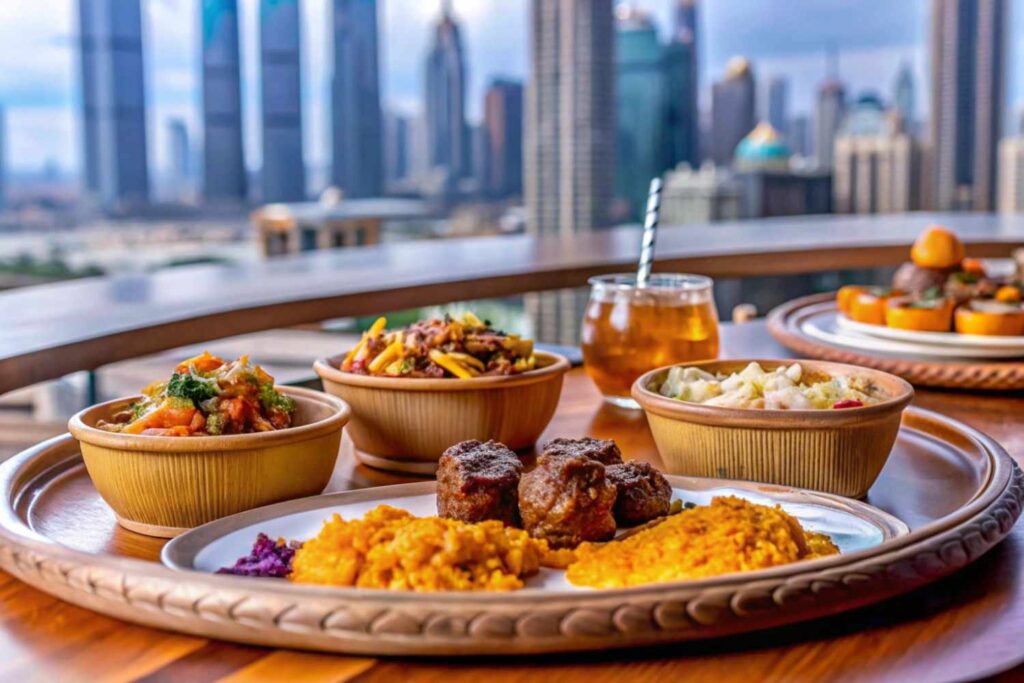
If you are visiting the UAE for the first time, start with these traditional dishes. They are popular, delicious and easy to find in many local restaurants.
- Machboos: Machboos is one of the most loved Emirati dishes. It is a rice-based dish cooked with meat, chicken or fish, along with spices such as cardamom, cinnamon, cloves and dried lemon. As a result, the dish has a rich aroma and a slightly tangy flavour.
- Harees: Harees is a traditional dish made with wheat and meat. The ingredients are cooked slowly until they become soft and smooth. After that, the dish is usually topped with ghee for extra flavour.
- Thareed: Thareed is another famous Emirati dish. It is made with pieces of bread soaked in a flavourful meat or vegetable stew. The bread absorbs the broth, making the dish soft, warm and delicious.
- Madrouba: Madrouba is a creamy dish made with rice, spices and chicken or fish. The ingredients are cooked and mashed together until they form a smooth texture. Although it may look simple, it is full of flavour.
- Breakfast Dishes to Try: A traditional Emirati breakfast is light, tasty and full of local flavour. Instead of starting your day with only international breakfast options, try some local favourites.
- Balaleet: Balaleet is a unique sweet and savoury dish made with vermicelli, sugar, cardamom and saffron. It is usually served with an omelette on top. At first, the combination may sound unusual. However, the sweet noodles and soft eggs create a delicious balance.
- Chebab: Chebab is an Emirati pancake made with flour, eggs, saffron and cardamom. It is often served with date syrup, honey or cheese. Therefore, it is a great breakfast option for travellers who enjoy sweet morning dishes.
- Khameer and Regag: Khameer is a soft traditional bread, while regag is a thin crispy bread. Both are commonly eaten with cheese, honey, eggs or date syrup. In addition, they pair well with a cup of Arabic tea or coffee.
- Emirati Seafood Flavours: Since the UAE has a long coastline, seafood plays an important role in local cuisine. Fish such as hammour, kingfish and safi are often grilled, fried or cooked with rice and spices.
- Luqaimat: Luqaimat is one of the most popular Emirati desserts. These small golden dumplings are crispy outside and soft inside. They are usually topped with date syrup or honey. Because of their sweet taste and light texture, luqaimat is loved by both locals and tourists.
- Aseeda: Aseeda is a traditional dessert made with flour, water and ghee. It is usually served with date syrup or honey. Although it is simple, it has a comforting taste and is often prepared during family gatherings.
- Arabic Coffee and Dates: Arabic coffee, known as gahwa, is an important part of Emirati hospitality. It is usually flavoured with cardamom and served in small cups. Along with coffee, guests are offered dates.
This combination is more than just food and drink. It is a symbol of welcome and respect. Therefore, when you visit the UAE, do not miss the chance to enjoy gahwa and dates in a traditional setting.
3. Where to Try Emirati Cuisine in the UAE
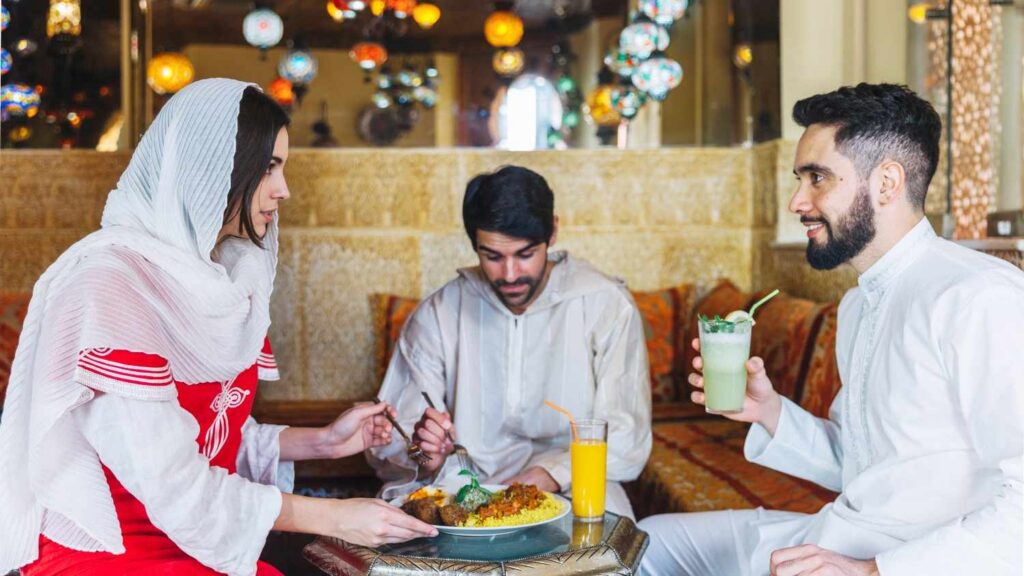
Travellers can find Emirati cuisine in many places across the UAE, including traditional restaurants, heritage villages, cultural centres, hotel dining outlets and local food festivals. Dubai and Abu Dhabi have several popular restaurants that serve authentic Emirati meals in a modern and comfortable setting.
Meanwhile, Sharjah, Ras Al Khaimah, Fujairah and Al Ain offer a more relaxed and cultural dining experience. These places are ideal for travellers who want to enjoy local flavours in a quieter atmosphere. In addition, many heritage areas serve dishes that reflect the old Bedouin lifestyle, coastal traditions and family-style cooking.
For a better experience, choose restaurants that focus on traditional recipes and fresh local ingredients. Also, ask the staff for recommendations if you are trying Emirati food for the first time. As a result, you can taste the right dishes, understand their story and enjoy the cuisine in a more meaningful way.
Tip: Try a complete Emirati meal with rice, meat, bread, dates and Arabic coffee to enjoy the real taste of UAE food culture.
4. Tips for Food Lovers
Emirati cuisine is full of rich flavours, warm hospitality and traditional cooking styles. Before you start exploring local dishes, these simple tips can help you enjoy the food experience better.
Before exploring Emirati cuisine, keep these simple tips in mind:
- Start with popular dishes like machboos, harees and luqaimat.
- Try Arabic coffee with dates for a cultural experience.
- Visit local restaurants instead of choosing only international dining spots.
- Explore food during cultural festivals and heritage events.
- Ask about spice levels if you prefer mild food.
- Try both breakfast dishes and main meals for a complete experience.
By following these simple tips, food lovers can enjoy Emirati cuisine in a more authentic and memorable way. Moreover, trying different dishes helps travellers understand the UAE’s culture, hospitality and rich food traditions better.
5. Best Emirati Food Experiences to Add to Your UAE Trip
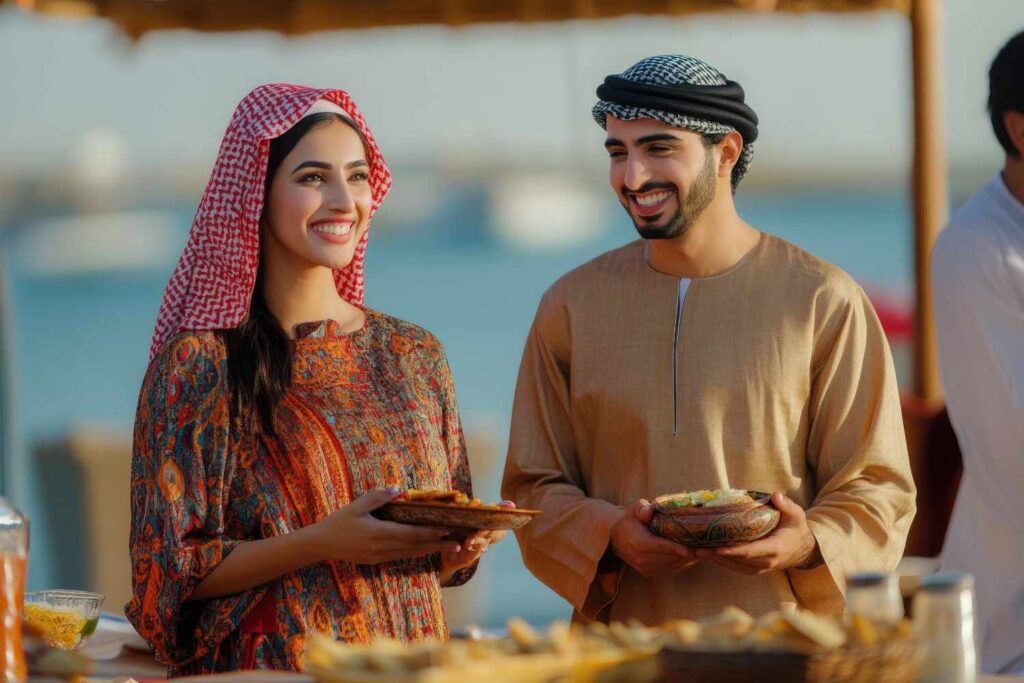
To enjoy Emirati cuisine in the best way, travellers should try more than just restaurant meals. In fact, food experiences can make the trip more memorable and culturally rich. Therefore, try to include at least one traditional dining experience in your UAE itinerary.
You can visit a heritage restaurant, enjoy a desert camp dinner, explore a local food festival or join a cultural meal experience. These places often serve popular dishes such as machboos, harees, thareed, luqaimat, Arabic coffee and dates. Moreover, the setting usually gives you a better understanding of Emirati hospitality.
For a more authentic experience, choose places that serve traditional recipes in a local atmosphere. Also, try to ask about the story behind each dish, because many Emirati meals are connected to family traditions, Ramadan gatherings, coastal life and desert culture. As a result, your food journey becomes more meaningful than just tasting new flavours.
Final Thoughts
Emirati cuisine is more than just food. It is a journey through the UAE’s history, culture and hospitality. From delicious machboos and soft harees to sweet luqaimat and aromatic Arabic coffee, every dish offers a taste of tradition.
Therefore, when you visit the UAE, take time to explore its local food scene. Whether you are a first-time traveller or a regular visitor, Emirati cuisine will add more flavour and meaning to your trip.