

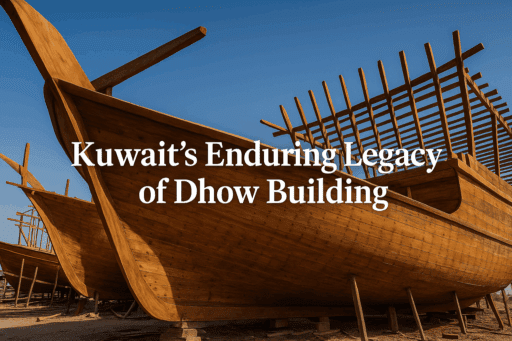
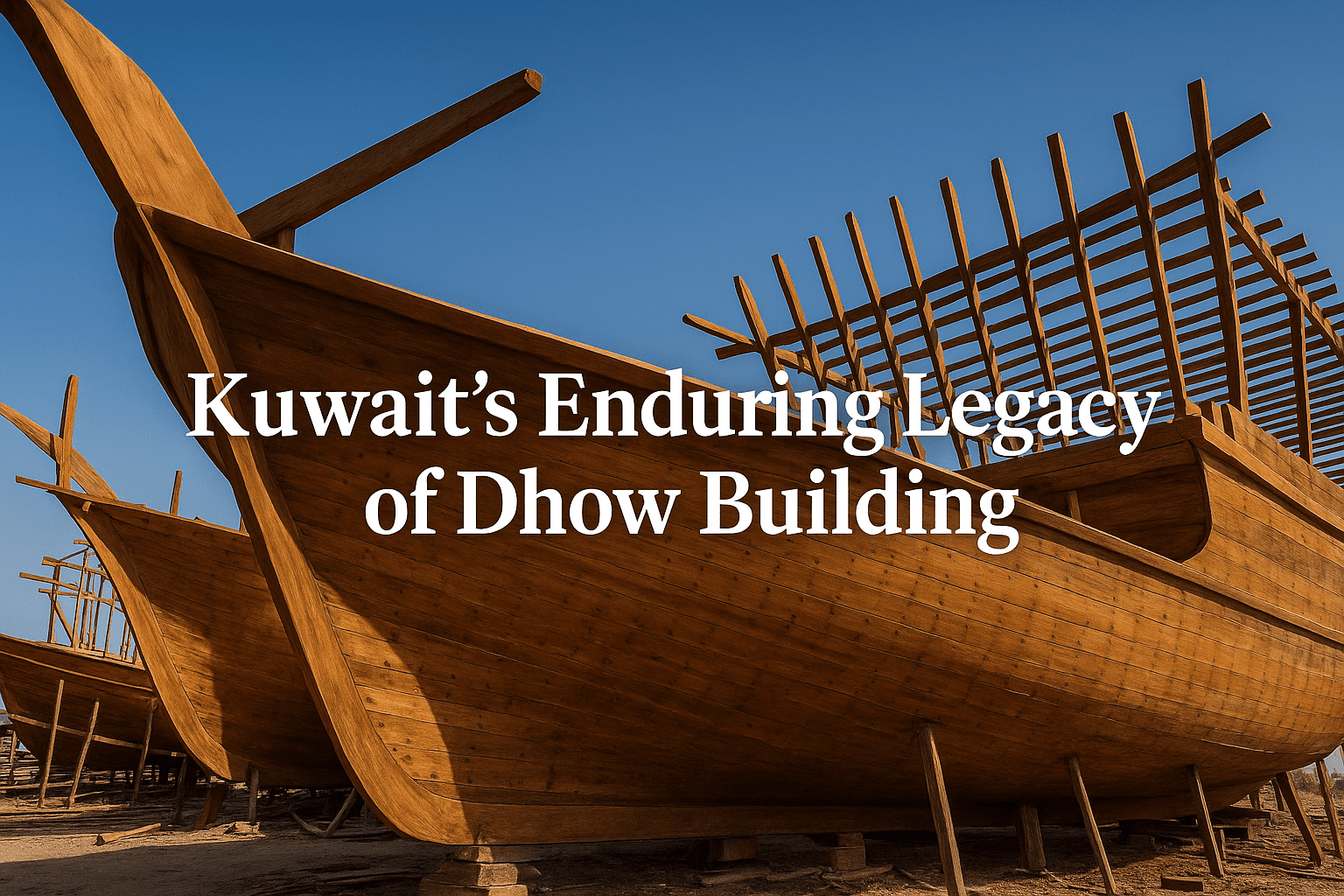

For centuries, Kuwait’s relationship with the sea has shaped its identity, and few symbols capture this bond more vividly than the traditional Arabian dhow. Before the discovery of oil, Kuwaitis relied on these hand-crafted wooden vessels for pearl diving, fishing, and trade across the Arabian Gulf, East Africa, and India. Dhows were not just means of transportation-they were lifelines that connected Kuwait to regional markets, fostered cultural exchange, and sustained entire coastal communities.
Dhow-building itself evolved into a highly specialized craft, passed down through generations of master shipwrights who relied on inherited knowledge rather than written plans. Using simple tools and locally sourced materials such as teak and rope, these craftsmen shaped hulls, masts, and sails with precision honed by years of experience. Their work demanded a deep understanding of the sea-its currents, winds, and seasonal shifts. Each completed dhow was a testament not only to technical skill but also to the cultural pride embedded in Kuwait’s maritime traditions.
Although modern vessels have replaced traditional sailing dhows in commercial use, the legacy of dhow-building continues to hold a revered place in Kuwait’s heritage. Today, restored dhows appear in festivals, museums, and coastal celebrations that honor the nation’s seafaring past. Educational programs and cultural initiatives help preserve the craft for future generations, ensuring that the spirit of Kuwait’s maritime history endures. In this way, the dhow remains more than a relic-it is a living symbol of resilience, craftsmanship, and the timeless connection between Kuwait and the sea.
1. Origins of Dhow-Building in Kuwait
Kuwait’s identity as a coastal nation has always been intertwined with the sea, and dhow-building stands at the core of this relationship. Long before oil reshaped the country, Kuwaitis found prosperity through maritime trade, fishing, and pearl diving. The dhow-hand-crafted with precision-became a symbol of this livelihood, connecting Kuwait to distant shores across the Arabian Gulf, East Africa, and India.
Dhows were not merely vessels for transport; they carried generations of dreams, ambitions, and stories of seafarers who braved uncertain waters. The craftsmanship behind every dhow was an expression of skill passed down through families, where every timber and curve carried cultural meaning. This encyclopedia of maritime knowledge remains one of Kuwait’s most prized traditions.
Today, when travelers book online flights to Kuwait, many discover that the nation’s rich maritime past still echoes through museums, coastal towns, and shipyards. The origin of dhow-building is not just an industrial story-it is the foundation upon which much of Kuwait’s cultural heritage stands.
2. Traditional Shipyards and Master Craftsmen
The heart of dhow-building in Kuwait beats strongest in the traditional shipyards, where artisans-known as “Ustads”-shape wood with skills honed over decades. These shipyards were once bustling hubs where sawdust filled the air, tools clinked against timber, and the rhythmic process of creation unfolded daily. Each builder played a vital role, from hull shaping to rope weaving.
Master craftsmen developed intuitive techniques that blended practical engineering with artistic design. Their work did not rely on written blueprints; instead, the dhow’s dimensions and form were guided by memory, experience, and a deep understanding of the sea. Such craftsmanship transformed each dhow into a unique masterpiece.
Today, visitors seeking cheap hotels near Kuwait’s historic maritime zones often find themselves only steps away from these living museums. Even modernized shipyards continue to preserve the old ways, offering glimpses into a tradition that refuses to fade.
3. The Dhow and the Pearl Diving Era

Before Kuwait became synonymous with oil wealth, pearl diving was its economic lifeline, and dhows were at the center of this demanding trade. Large dhows called “Boums” and “Sambouks” transported divers and crew deep into the Arabian Gulf’s waters for months at a time. They served as both workplace and home, sheltering crews from unpredictable weather and enforcing a sense of community at sea.
The pearl diving season was intense and often perilous. Divers relied entirely on their dhow’s sturdiness and the captain’s expertise to ensure safe passage across waters teeming with risks. Songs, chants, and rituals performed onboard encapsulated the emotional and spiritual connection between mariners and their vessels.
Though pearl diving no longer defines Kuwait’s economy, its legacy survives through reenactments, festivals, and cultural exhibitions. Tourists often seek visa assistance to attend such events and immerse themselves in the authentic atmosphere of Kuwait’s seafaring past.
4. Trade Routes and Economic Expansion

Dhows were Kuwait’s major lifeline to trade opportunities that stretched across continents. They linked the country to bustling markets in India, Persia, and East Africa. Spices, textiles, precious wood, and dates were among the many goods transported by these wooden vessels, enabling Kuwait to flourish economically long before modern shipping arrived.
These extensive trade routes shaped Kuwaiti society by introducing new cultural influences, languages, and networks that enriched local traditions. Dhows were more than carriers of goods-they were conduits of cultural exchange, bringing global stories back to Kuwait’s shores. This blend of maritime courage and business acumen helped position Kuwait as a thriving port city.
Even today, travelers exploring Kuwait’s historic souqs often stumble upon artifacts and stories tied to these ancient trade routes. Tourism has revived interest in maritime heritage, and many tour packages promote cultural attractions right alongside options to book online flights for heritage-themed travel.
5. Preservation Efforts and Cultural Revival

As Kuwait modernized, the traditional practice of building dhows faced the threat of fading away. However, strong preservation efforts led by cultural institutions and private enthusiasts have ensured that this ancient art remains alive. Museums, public exhibitions, and local festivals showcase beautifully restored dhows that highlight Kuwait’s maritime prowess.
Organizations working to preserve the craft collaborate with master builders to document old techniques and train younger generations. These efforts are vital, not just for nostalgia, but for keeping the skills and values of craftsmanship relevant in modern society. Schools and cultural centers now integrate maritime heritage into education programs.
Many cultural tourists visit Kuwait specifically to experience this revival, often searching for cheap hotels near maritime museums and coastal attractions. Through these initiatives, Kuwait maintains a living connection to its seafaring ancestors.
6. Dhows in Modern Kuwait
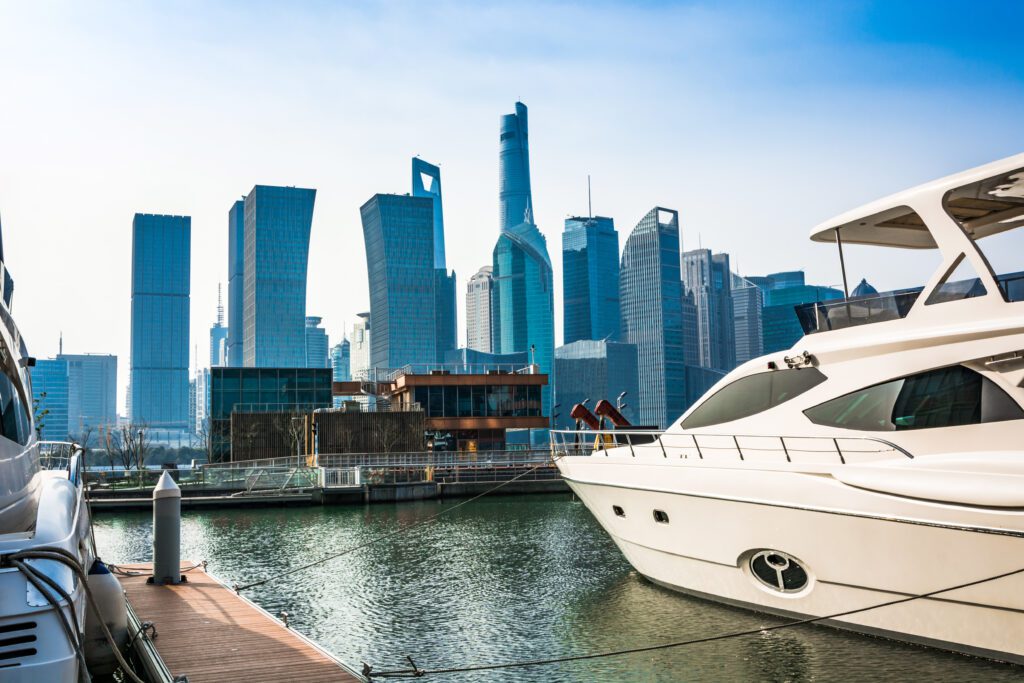
In contemporary Kuwait, the dhow has transitioned from a necessity to a cultural icon. While modern ships have replaced dhows for commercial use, the traditional vessels continue to appear in festivals, national celebrations, and waterfront displays. Their presence symbolizes pride, identity, and continuity.
Some dhows have been renovated into floating restaurants or tourist attractions, allowing visitors to enjoy scenic cruises while learning about Kuwait’s history. These experiences blend heritage with hospitality, bringing together storytelling, architecture, and the sea. They stand as reminders of a past that continues to shape Kuwait’s cultural imagination.
For international travelers, especially those planning itineraries with visa assistance, dhow cruises offer an unforgettable introduction to Kuwaiti traditions. With the skyline in the background and the aroma of the sea in the air, these modern adaptations celebrate a timeless craft.
A Legacy that Continues to Navigate Kuwait’s Future
Dhow-building holds a special place in Kuwait’s cultural narrative, preserving the essence of a nation built on the courage and exploration of its people. Each vessel tells a story-of pearl divers seeking fortune, traders navigating foreign waters, and sailors forging unbreakable bonds with their dhows. This craft withstands the passage of time because it represents more than wood and sails; it embodies identity, resilience, and heritage.
As Kuwait strides confidently into the future, the dhow remains a powerful symbol of the country’s roots. Through ongoing preservation, cultural revival, and tourism initiatives, Kuwait ensures this tradition continues to thrive. Whether one is exploring museums or watching dhows glide along the Arabian Gulf, the maritime spirit of the past lives vividly on.
For visitors and history lovers, understanding the role of dhow-building is essential to appreciating Kuwait’s soul. It connects past and present, reminding us that heritage is not just remembered-it is lived, celebrated, and carried forward into generations yet to come.