


Saudi Arabia’s cultural tourism is experiencing a dynamic transformation as the Kingdom opens its doors to international travelers with renewed enthusiasm. The nation’s Vision 2030 initiative has placed strong emphasis on celebrating and sharing its heritage, resulting in major investments in the preservation and presentation of cultural sites. From the ancient Nabataean city of AlUla to the historic lanes of Jeddah’s Al-Balad district, visitors are discovering a rich tapestry of stories that bring the past into vivid conversation with the present.
As travelers journey across the country, they encounter communities proudly reviving traditional crafts, cuisines, and music. Local artisans showcase age-old techniques in pottery, weaving, and jewelry-making, while regional culinary festivals highlight Saudi Arabia’s diverse flavors—from fragrant Hejazi dishes to hearty Najdi fare. These immersive experiences allow visitors to move beyond the role of spectator, engaging directly with cultural practices that have shaped Saudi identity for centuries.
This growing emphasis on cultural tourism also fosters greater cross-cultural understanding. By blending state-of-the-art visitor centers with authentic, community-led experiences, Saudi Arabia demonstrates how tradition can evolve without losing its essence. As the Kingdom continues enhancing accessibility and storytelling across its heritage destinations, it invites the world to witness a living culture—one that honors its past while confidently embracing a global future.
1. Discovering the Heart of Arabian Heritage
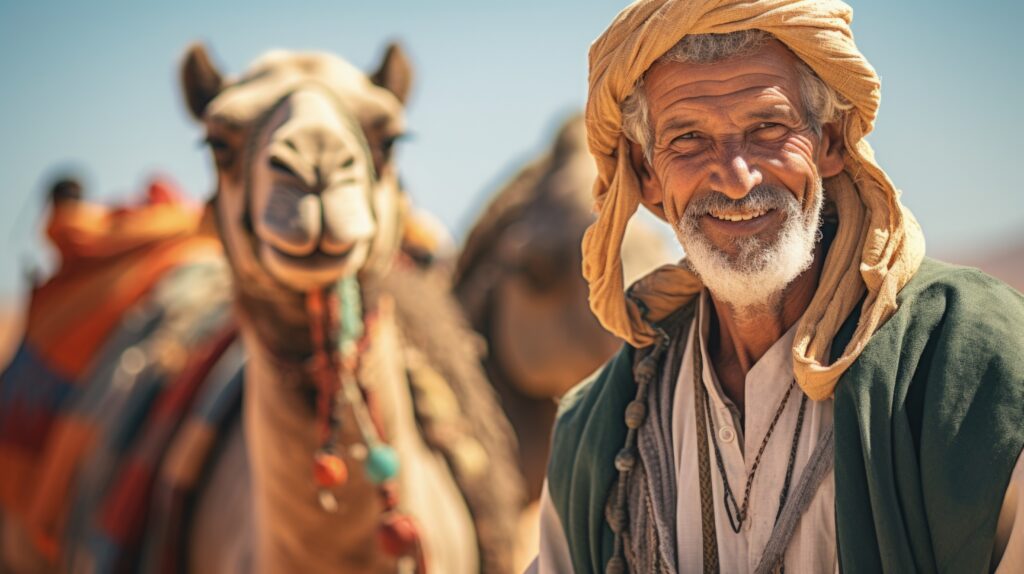
Saudi Arabia’s culture is deeply rooted in centuries-old traditions shaped by desert life, tribal communities, and Islamic values. Visitors are often struck by the warmth of local hospitality, an essential component of Saudi social identity. Whether sipping aromatic gahwa or listening to stories passed down through generations, travelers gain insight into the rhythms of daily life.
The country’s heritage can be explored in bustling souqs, where traders have gathered for centuries to exchange spices, textiles, and crafts. These marketplaces offer rich opportunities to witness cultural continuity in action. Wandering through narrow alleys, visitors encounter handmade goods that highlight remarkable craftsmanship.
Travelers looking to delve deeper into the Kingdom’s cultural tapestry can visit museums that display artifacts spanning thousands of years. From rock carvings to early Islamic manuscripts, the collections illustrate the evolution of Saudi society. When planning your trip, consider using visa assistance services to streamline entry requirements and ensure a seamless journey.
Travel Tip: Take time to engage with local artisans; they often share stories that bring heritage to life.
2. The Wonders of AlUla: Ancient Arabia Reimagined

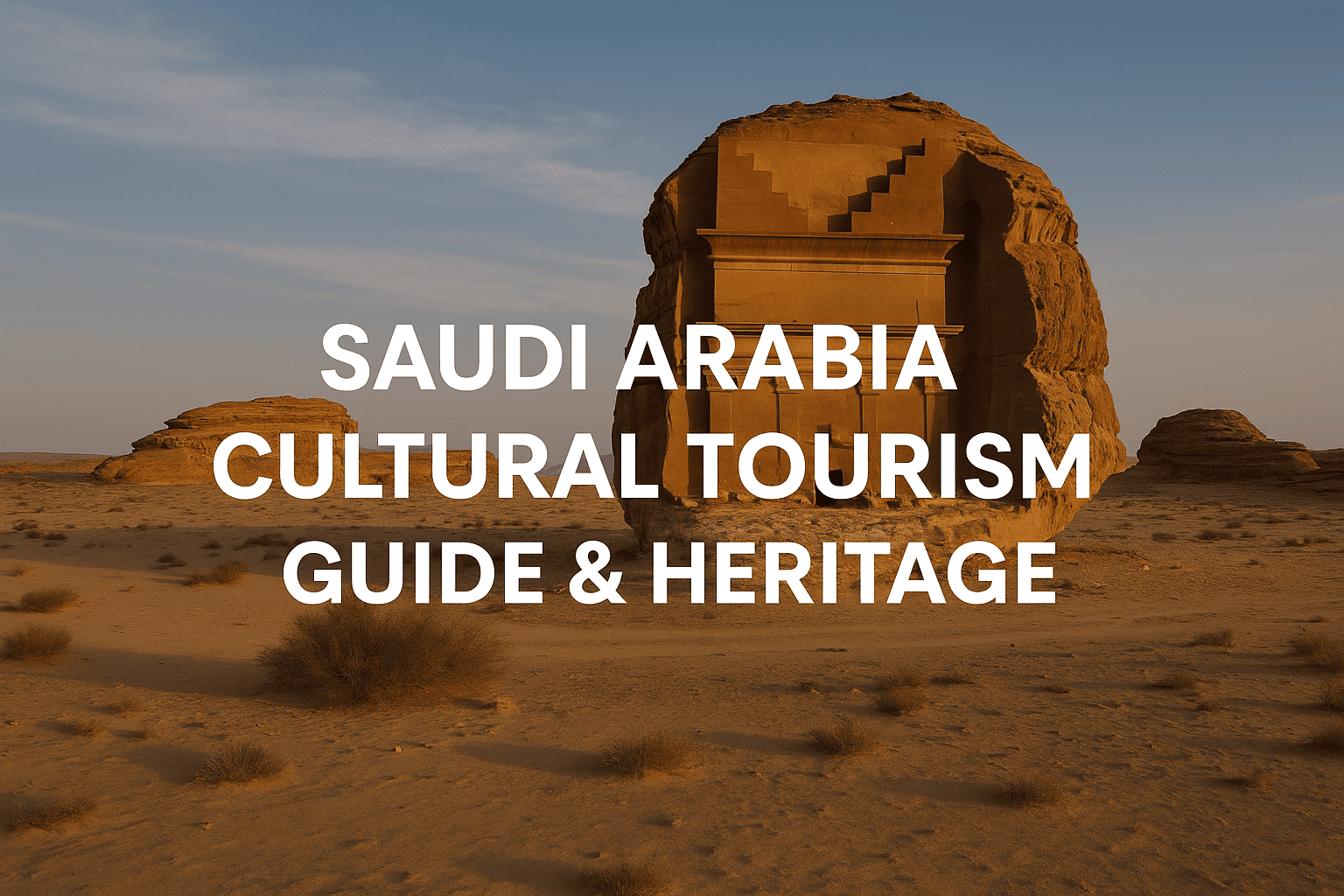
AlUla is one of Saudi Arabia’s premier cultural destinations, home to breathtaking landscapes and archaeological wonders. The region holds Hegra (Madain Salih), a UNESCO World Heritage Site and the sister city to Jordan’s Petra. Visitors can explore monumental tombs carved into sandstone cliffs that reveal the sophisticated artistry of the Nabataean civilization.
Beyond its ancient tombs, AlUla features lush oases and rock formations that add depth to its historical charm. The Old Town, with its maze-like mudbrick structures, offers a glimpse into traditional Saudi urban life. Many restored buildings now serve as cultural spaces hosting exhibitions, performances, and workshops.
AlUla’s transformation into a modern heritage attraction means travelers have access to luxury lodges, cultural festivals, and curated tours. To save on accommodation, consider searching for cheap hotels in nearby towns or booking early during off-peak seasons.
Travel Tip: Book guided tours for historical sites; they enhance understanding and ensure preservation guidelines are followed.
3. Riyadh: A Blend of Tradition and Innovation
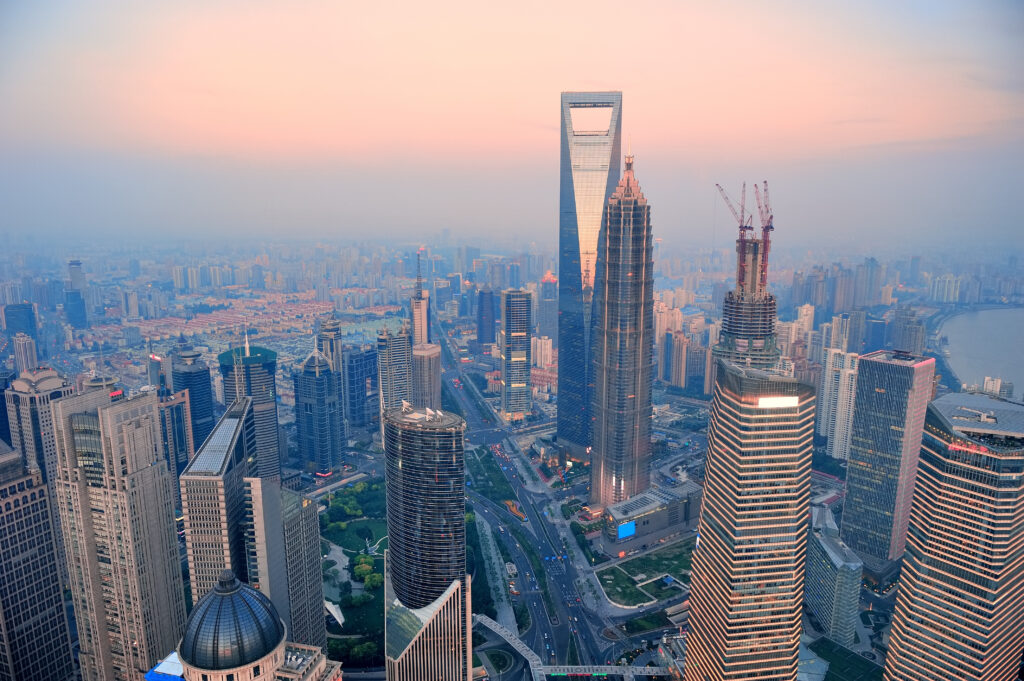
The capital city, Riyadh, encapsulates the cultural evolution of Saudi Arabia. Towering skyscrapers contrast with historical sites like the Masmak Fortress, showcasing how the nation bridges its storied past with its ambitious present. The city’s cultural districts highlight Saudi heritage through exhibitions, traditional performances, and interactive experiences.
Riyadh’s museums, particularly the National Museum, offer a chronological journey through the Kingdom’s civilizations. Exhibits range from prehistoric relics to contemporary cultural expressions, making it an essential stop for history enthusiasts. The recently revitalized Diriyah area further immerses travelers in Saudi tradition through restored architecture and cultural demonstrations.
While exploring Riyadh’s vibrant neighborhoods, travelers can take advantage of online platforms to book online flights efficiently and plan itineraries around major cultural events. These events often attract global audiences and showcase the country’s commitment to cultural preservation and exchange.
Travel Tip: Visit cultural zones in the evening when temperatures are cooler and performances are more frequent.
4. Jeddah: Gateway to the Red Sea and Cultural Fusion
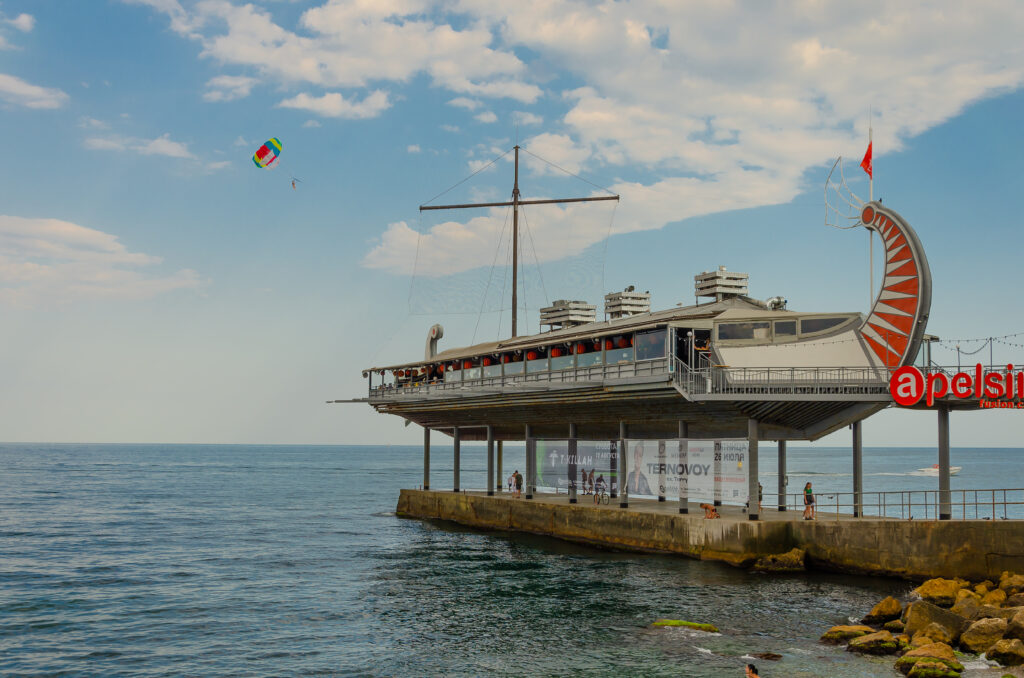
Jeddah is renowned for its cosmopolitan vibe, shaped by centuries of pilgrims and traders passing through on their way to Makkah. This coastal city blends international influences with traditional Saudi aesthetics, creating a unique cultural landscape. Visitors are drawn to the city’s vibrant arts scene, culinary diversity, and maritime heritage.
Al-Balad, Jeddah’s historic quarter, is a living testament to the city’s rich past. Its coral-stone houses, ornate wooden balconies, and ancient souqs offer a window into traditional Hijazi architecture. Restoration efforts have transformed many of these buildings into cultural centers and artist studios.
Modern Jeddah continues to evolve with its thriving café culture, public art installations, and waterfront parks. Travelers can enjoy Red Sea breezes while exploring cultural festivals and markets. When choosing accommodation, compare different lodging platforms to secure cheap hotels without compromising on location or comfort.
Travel Tip: Wear comfortable shoes when exploring Al-Balad; its narrow, uneven streets are best discovered on foot.
5. Souqs, Crafts, and Culinary Traditions
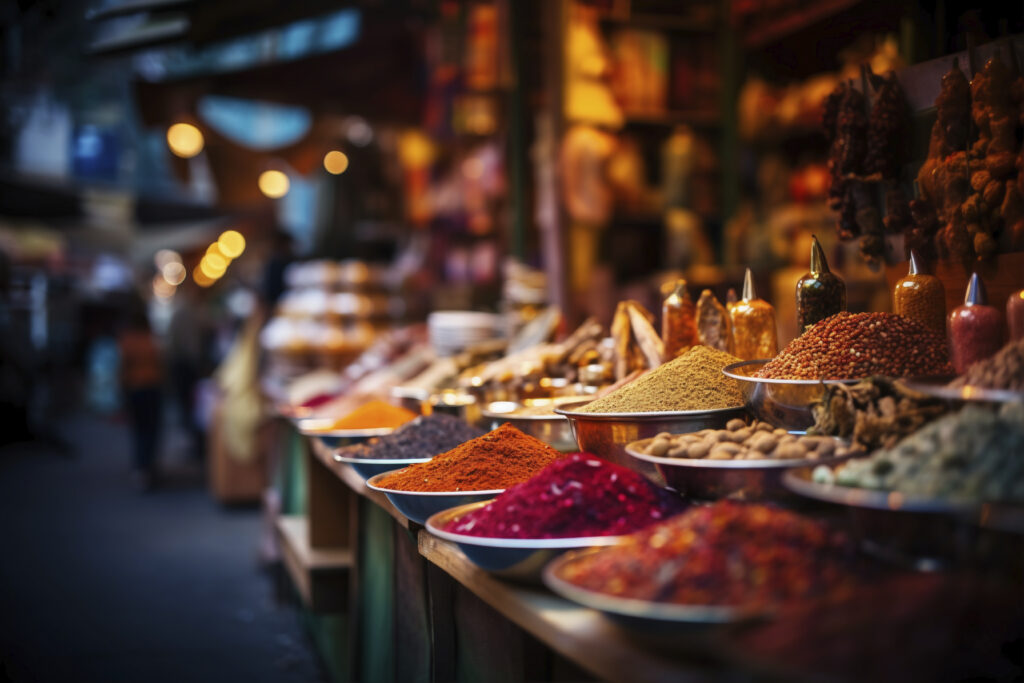
Saudi Arabia’s souqs remain integral to cultural life, offering sensory-rich experiences filled with colors, aromas, and textures. From handcrafted jewelry to traditional spices, these markets reflect the region’s diversity. Each item sold carries cultural significance that can be traced to tribal heritage or historical trade routes.
Craftsmanship, especially in pottery, weaving, and metalwork, showcases Saudi artisans’ remarkable skills. Many workshops allow visitors to see these crafts being made, creating meaningful cultural exchanges. Purchasing local crafts supports heritage preservation and provides unique souvenirs that carry a story.
Saudi cuisine adds another layer to cultural tourism, blending influences from across the Arabian Peninsula. Signature dishes like kabsa, mutabbaq, and jareesh reveal the flavors of Saudi hospitality. Before traveling to culinary-rich destinations, ensure your travel with visa assistance documents and travel plans are in order.
Travel Tip: Always try local specialties recommended by residents; they often lead to hidden culinary gems.
6. Festivals and Cultural Experiences
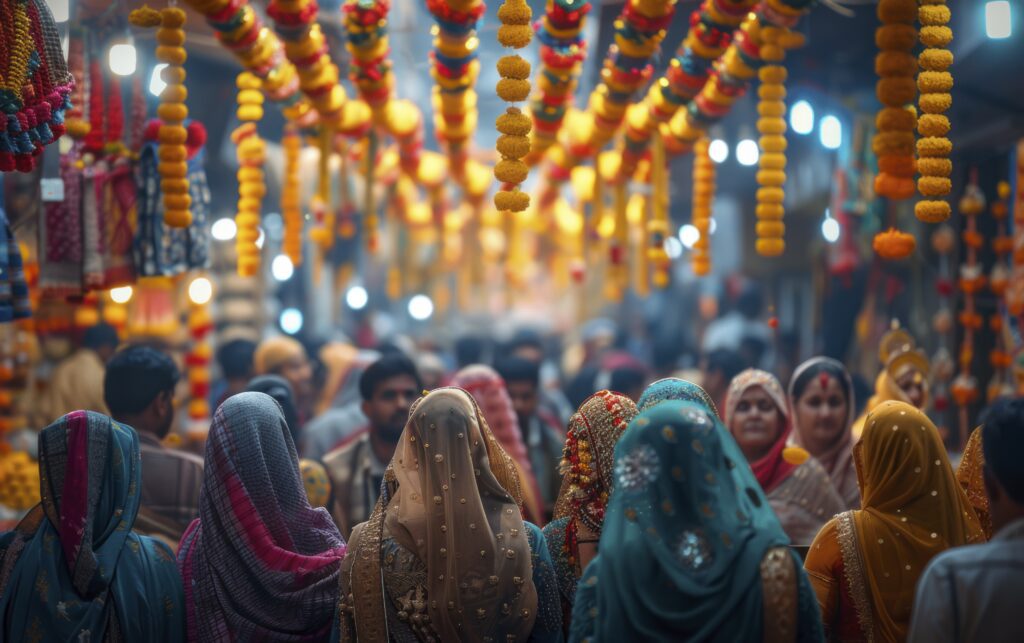
Saudi Arabia hosts a wide array of cultural festivals that celebrate traditions and modern creativity. Events such as Janadriyah and Riyadh Season highlight the nation’s folklore, dance, music, and arts. These celebrations bring communities together and offer visitors authentic cultural immersion.
Seasonal festivities in regions like Asir, Taif, and Najran emphasize the diversity within Saudi culture. Folk dances, poetry recitals, and storytelling evenings reveal regional heritage that differs across landscapes. Such events provide unique opportunities to witness living cultural expressions.
Tourists interested in attending these festivals can benefit from planning ahead, especially regarding transportation and accommodation. Platforms that allow you to book online flights early help secure better prices and ensure timely arrival during major cultural events.
Travel Tip: Check festival calendars in advance; dates may shift due to cultural or religious considerations.
Timeless Arabia: Discovering the Kingdom’s Cultural Heartbeat
Saudi Arabia’s cultural tourism landscape is a rich tapestry woven with ancient traditions, evolving heritage, and immersive experiences. Whether exploring timeless archaeological sites or engaging with contemporary cultural expressions, travelers discover a nation that honors its past while embracing its future. The Kingdom’s commitment to preserving and showcasing its cultural identity makes it a fascinating destination for curious adventurers.
With ongoing developments, restored heritage sites, and thriving cultural festivals, Saudi Arabia continues to expand its offerings for international visitors. From exploring bustling souqs to wandering through historic ruins, every moment provides an opportunity to connect with layers of history and hospitality. As more travelers seek meaningful cultural experiences, the Kingdom stands ready to welcome the world with open arms and unforgettable memories.